Catholics believe cooperating with God's divine grace leads us to a life oriented towards heaven; the quest for holiness is the path to salvation. Grace is an unearned gift from God. Through scripture and tradition, Mother Church guides us towards our individual redemption. The Sacraments are gifted to us by Christ for the grace we need to battle temptation and sin, in our ultimate goal, seeking eternal life. Grace is strength: emotional, mental, spiritual, and physical.
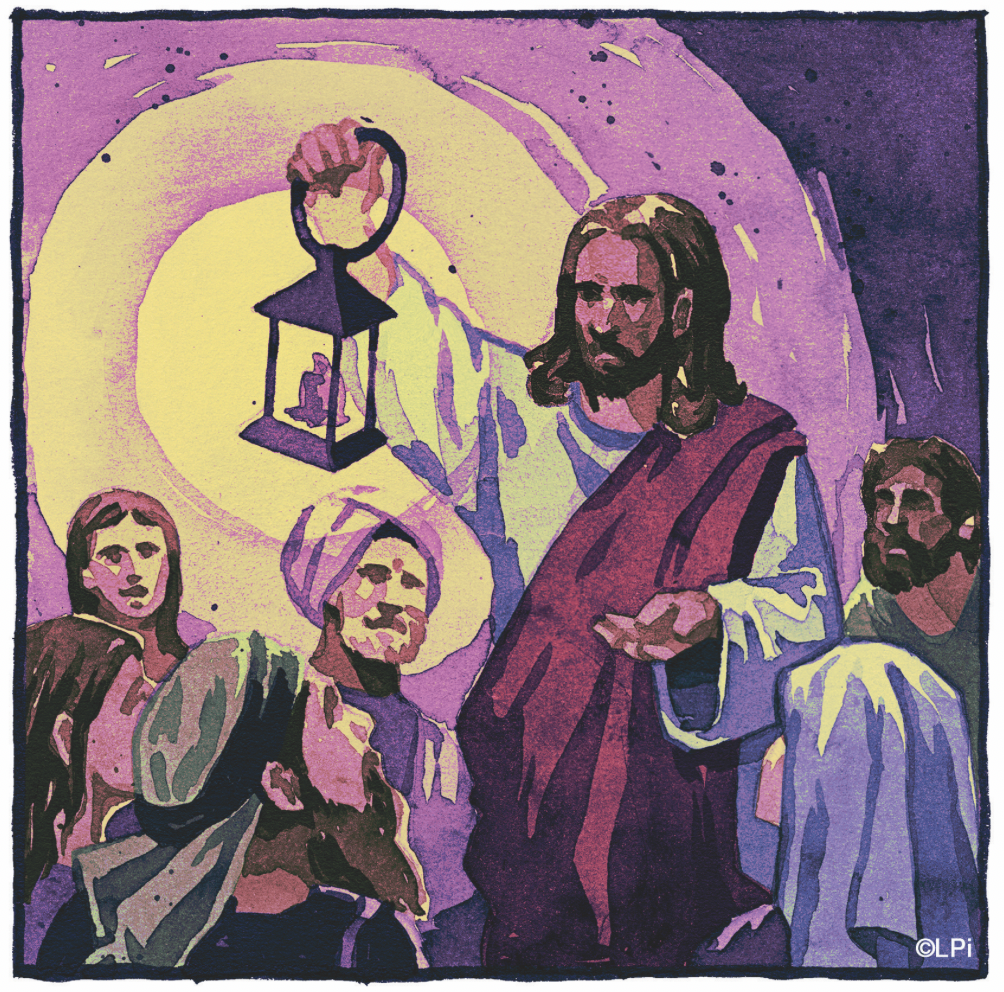
Jesus states, "The gate is wide and the road broad that leads to destruction, and those who enter through it are many. But small is the gate that leads to life, and those who find it are few in number." (Matthew 7:13-14) Catholics have a path to redemption and salvation. Paul the Apostle explains, "The wages of sin is death, but the gift freely given by God is eternal life in Christ Jesus our Lord.” (Romans 6:23) An eternity with God in heaven is the goal of the Catholic Faith. So, how do we get there? Jesus teaches, "I am the way, and the truth, and the life. No one comes to the Father except through me." (John 14:6) Clearly, salvation comes through Jesus Christ.
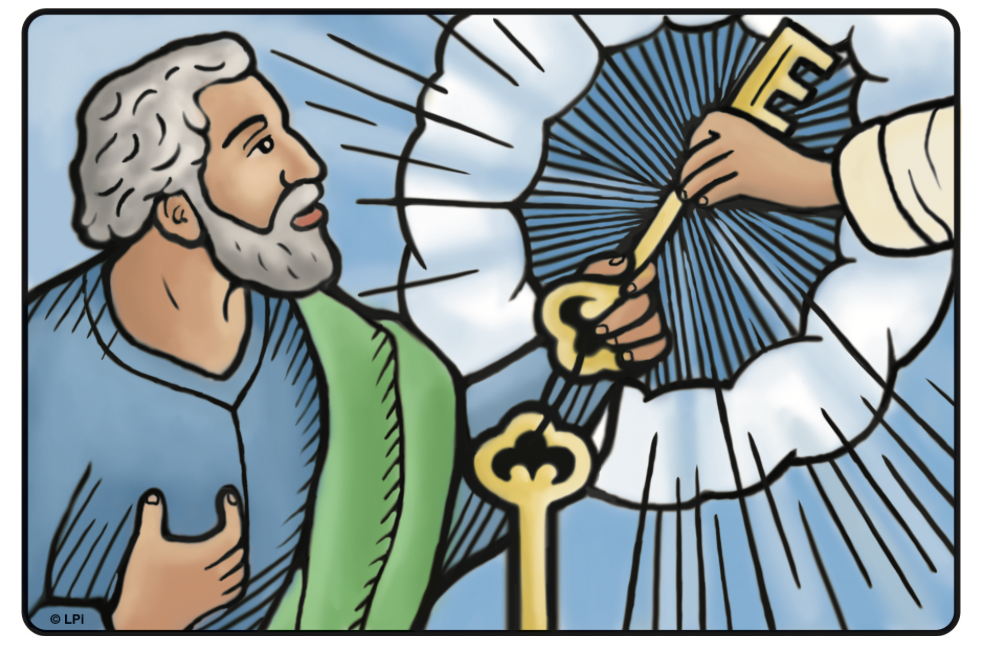
The Catholic Church is the church founded by Jesus Christ; "I say to you: You are Peter, and on this rock, I will build my Church, and the gates of the netherworld will not prevail against it." (Matthew 16:18) The central authority of the Church flows from the chair of Peter in the office of the pope.
The teachings of Jesus contained within the scriptures and the tradition of the Church, and safeguarded by the Apostles and their successors, give us what we need to live in accord with God. Jesus said, "I in them and you in me, that they may become completely one, and thus the world may know that you have sent me and that you have loved them even as you have loved me." (John 17:23)
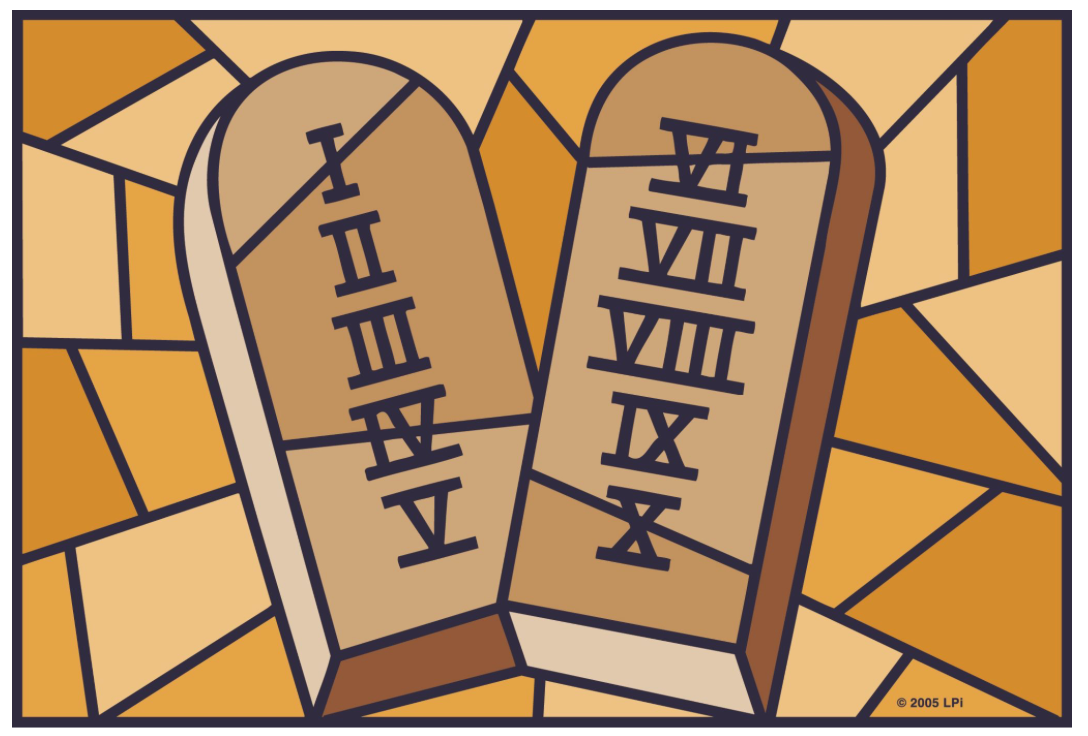
The teachings of the Church flow from the revelation of God, which are contained in the Scriptures and Traditions of the Church, as St. Paul wrote, "Therefore, stand firm, brethren, and hold fast to the traditions that you have been taught, whether by word of mouth or by a letter of ours." (2 Thessalonians 2:15) The Ten Commandments and scriptural teachings are essential to our faith. Jesus teaches, "Do not think that I have come to abolish the Law or the Prophets. I have come not to abolish but to fulfill them." (Matthew 5:17)
When God came to live among us as Jesus Christ, He taught us to do more than follow the Ten Commandments. When asked about the Law, Jesus states, "You shall love the Lord your God with all your heart, and with all your soul, and with all your mind. This is the greatest and the first commandment. The second is like it: You shall love your neighbor as yourself. Everything in the Law and the Prophets depends on these two commandments." (Matthew 22:37b-40) Jesus calls us into communion with the human race, and the language he speaks is love.
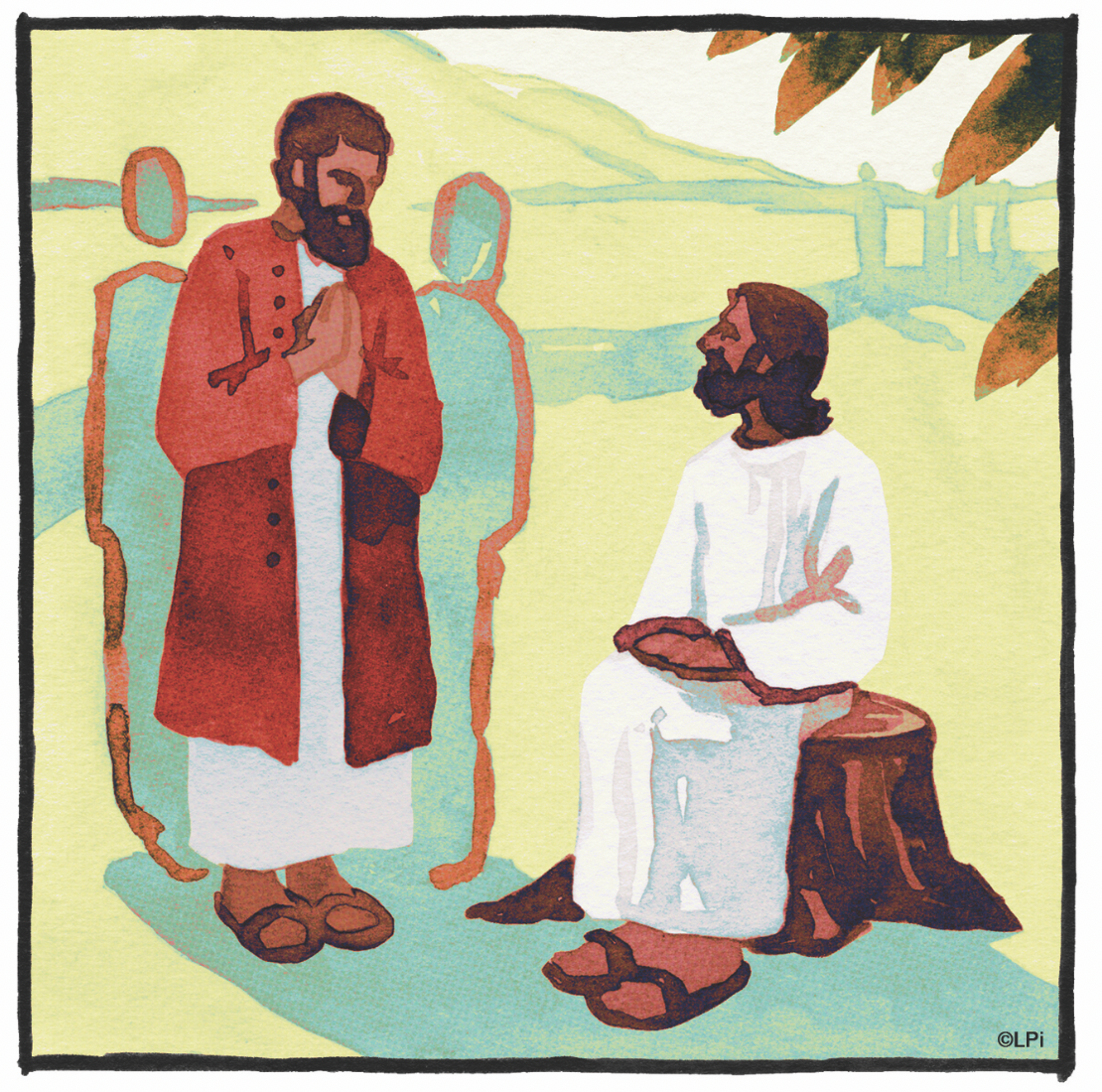
Led by the Holy Spirit, Catholics respond with love in worship and charity. In self-sacrificial love, Catholics imitate Christ. Jesus declares, "Anyone who wishes to follow me must deny himself, take up his cross daily, and follow me." (Luke 9:23b) To carry His cross has deep meaning within the Catholic faith: perseverance, empathy, forgiveness, peace, and defending the dignity of the human person from conception to natural death.
Baptism, in the name of the Trinity, is part of God's plan for salvation. Jesus instructed the disciples: "Go, therefore, and make disciples of all nations, baptizing them in the name of the Father and of the Son and of the Holy Spirit." (Matthew 28:19). Baptism begins our life of faith.
Catholics believe the words Jesus spoke are true and not merely symbolic when it comes to Holy Communion. This is the Eucharist of the Catholic Church. "I am the bread of life. Whoever comes to me will never be hungry, and whoever believes in me will never be thirsty." (John 6:35) Jesus makes His teaching clear: "I am the living bread that came down from heaven. Whoever eats this bread will live forever." (John 6:51) His True Presence in the Body and Blood is present at every Mass when ordinary bread and wine are by the priest, acting for Christ. Saint Paul the Apostle explains how Jesus blessed the first Eucharist: "The Lord Jesus, on the night he was betrayed, took bread, and after giving thanks he broke it and said, 'This is my body that is for you. Do this in remembrance of me.' In the same fashion, after the supper, he also took the cup and said, 'This cup is the new covenant in my blood. Whenever you drink it, do this in remembrance of me.'" (1 Corinthians 11:23b-25)
Catholics believe the Immaculate Virgin Mary, the mother of God, can pray for us; we call this interceding for us before the Lord. Just as a mother is instrumental in family life, the mother of God can ask for God's action on our behalf. Asking Mary to pray for us is called intercessory prayer. In the same way, the angels and saints in God's presence can pray for us. Saints with special connections to specific groups of people are called Patron Saints. We ask Mary, the angels, and the saints to pray for us.
This belief originated in scripture found in Hebrews 12:1, "Therefore, since we are surrounded by so great a cloud of witnesses, let us rid ourselves of every burden and sin that clings to us* and persevere in running the race that lies before us,” and Revelation 5:8, "When he took it, the four living creatures and the twenty-four elders fell down before the Lamb. Each of the elders held a harp and gold bowls filled with incense, which are the prayers of the holy ones."
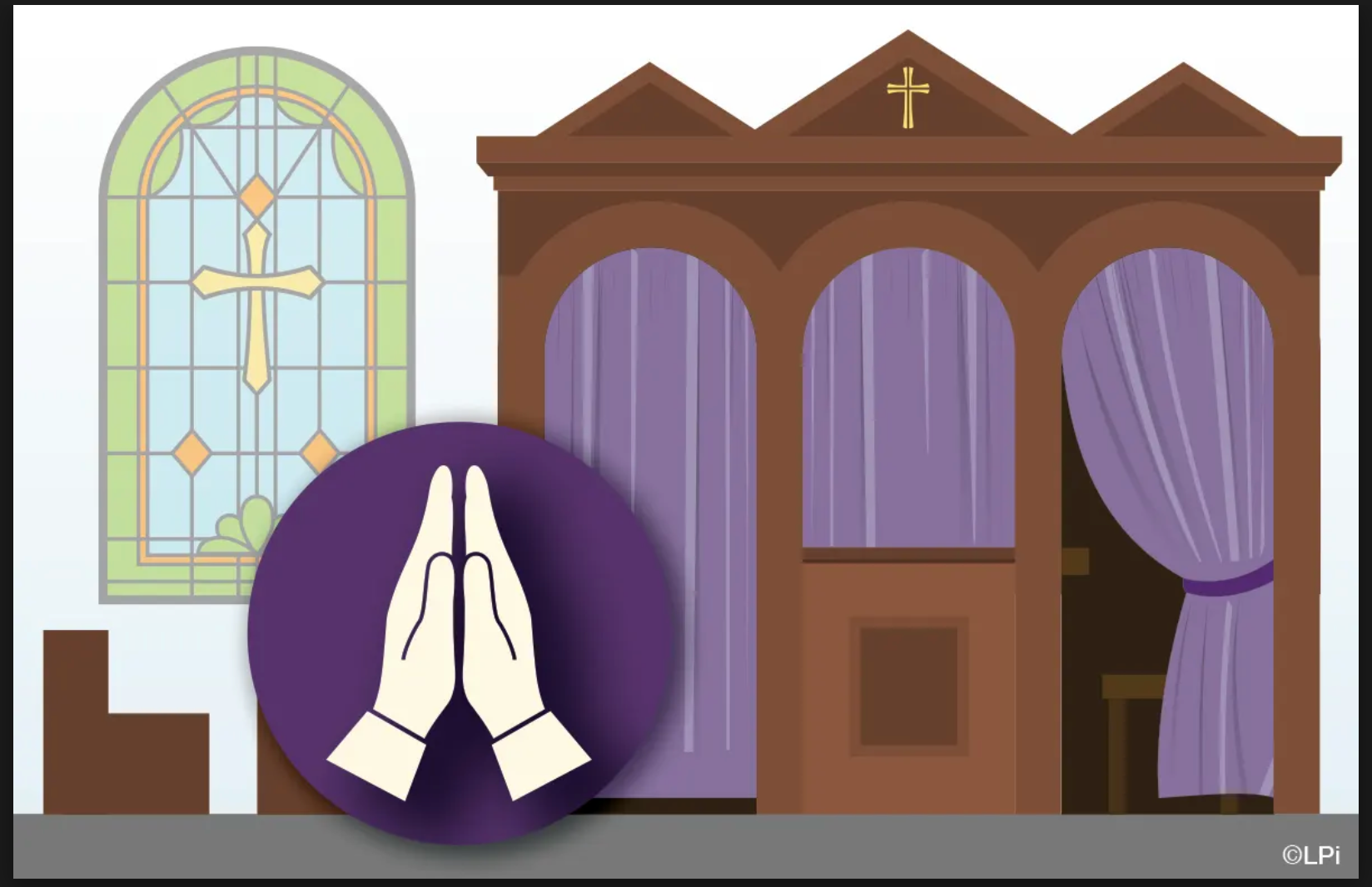
In the Sacrament of Confession, gifted by Christ, Catholics gain the forgiveness of sins each time they practice it. Jesus told Peter: "I will give you the keys of the kingdom of heaven. Whatever you bind on earth shall be bound in heaven, and whatever you loose on earth shall be loosed in heaven." (Matthew 16:19) To feel the burden of sin lifted from you is more than words can express. Hearing the words of Christ that your sins are forgiven is freeing. "When someone is guilty of any one of these things, he shall confess the sin he has committed." (Leviticus 5:5). The beauty of this Sacrament is confidentiality.
After our mortal life, Jesus promises eternal life. The Catechism teaches us about judgment after death: "It is the judgment of immediate retribution each one after death will receive from God in his immortal soul in accord with his faith and his works. This retribution consists in entrance into the happiness of heaven immediately, or after an appropriate purification [purgatory], or entry into the eternal damnation of hell.” (Catechism #1022) We prepare for eternal reward, knowing we work to get there. "Not everyone who says to me, 'Lord, Lord,' will enter the kingdom of heaven, but only the one who does the will of my heavenly Father.” (Matthew 7:21)
Consider joining and worshiping at All Saints Catholic Parish. We welcome new members and those who have fallen away from the practice of their Catholic faith. Join us and experience your place in God's plan for salvation!